Why Japanese Convenience Stores Are So Much More Than “Convenient”
 taizoyokhamatotsuka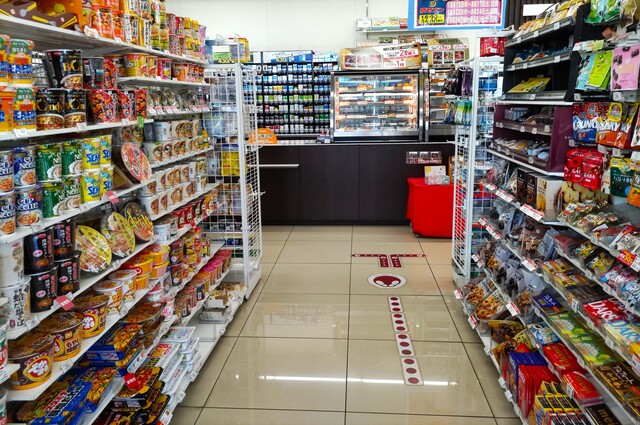
If you travel in Japan, you will quickly notice something extraordinary:
convenience stores are everywhere—and they are amazing.Known as “konbini” in Japanese, convenience stores in Japan are not just places to buy snacks. They are an essential part of daily life, offering services that surprise many foreign visitors.
A Brief History of Convenience Stores in Japan
Convenience stores first appeared in Japan in the 1970s, inspired by the American retail model.
However, Japan quickly transformed the concept.
As cities became denser and lifestyles busier, convenience stores evolved to meet local needs. Today, major chains such as 7-Eleven, FamilyMart, and Lawson operate over 50,000 stores nationwide, many of them open 24 hours a day.Rather than focusing only on speed, Japanese convenience stores emphasize quality, reliability, and service.
What Foreign Visitors Find Most Surprising
Many travelers are shocked by how much you can do inside a Japanese convenience store.
First, the food quality is remarkably high.
Onigiri (rice balls), bento boxes, sandwiches, and desserts are freshly made and carefully prepared. Seasonal items and regional specialties are also common.
Second, cleanliness and organization stand out.
Even late at night, stores are tidy, shelves are well stocked, and staff are polite and efficient.Third, convenience stores feel safe and welcoming.
Many visitors use them as a place to rest, grab a hot coffee, or enjoy a quick meal.
Hot Comfort Food You Can Buy Anytime
One of the most charming features of Japanese convenience stores is the ability to buy hot, freshly prepared comfort food at any time of day.
During the colder months, many convenience stores offer oden—a traditional Japanese dish made of simmered ingredients such as daikon radish, boiled eggs, tofu, and fish cakes, all soaked in a light, flavorful broth. For many Japanese people, oden is a nostalgic winter food, and finding it at a convenience store often surprises foreign visitors.
Another popular item is the steamed meat bun, known in Japan as nikuman. These soft buns are filled with juicy pork and kept warm in special steamers near the cashier. Simply pointing at the display is enough to order one, making it easy even for travelers who do not speak Japanese.
In addition to oden and nikuman, convenience stores also sell hot fried chicken, croquettes, and seasonal warm snacks. Being able to enjoy freshly heated food on a cold day—without visiting a restaurant—is something many travelers find uniquely Japanese.
For visitors exploring Japan in winter or late at night, these warm foods offer not only convenience, but also a small moment of comfort and hospitality.
ATM Access for International Travelers
One of the most useful services for foreign tourists is the ATM.
Not all ATMs in Japan accept foreign cards, but convenience store ATMs—especially at 7-Eleven—usually support international credit and debit cards.
They also provide English-language screens, making cash withdrawals simple and stress-free.
For travelers who rely on cash, this feature alone makes convenience stores indispensable.
Expanding Services: More Than Shopping
Japanese convenience stores have expanded far beyond retail.
Many locations allow customers to:
- Send and receive packages through courier services
- Print documents and photos
- Pay utility bills and taxes
- Buy event tickets
- Receive online shopping deliveries
For travelers, the ability to send luggage ahead to the next hotel using a courier service is especially helpful, allowing for lighter and more comfortable travel.
A Window Into Everyday Japanese Life
Convenience stores are not tourist attractions—but that is exactly why they are fascinating.
By visiting a konbini, you experience how Japanese society values efficiency, hospitality, and attention to detail.
What seems like a simple store becomes a reflection of modern Japan itself.
So next time you walk past a brightly lit convenience store in Japan, step inside.
You may be surprised at how much you can discover in just a few square meters.
