
Explore Japan’s Shrines: Sacred Traditions and Memorable Experiences
 taizoyokhamatotsuka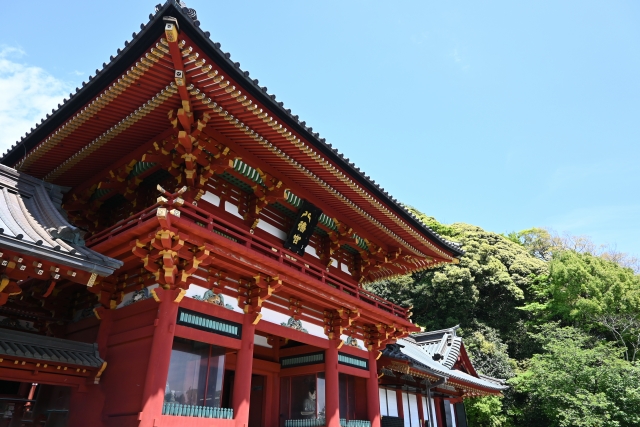
When traveling in Japan, one of the most enriching cultural experiences is visiting a Shinto shrine. These sacred places are not only sites of prayer and tradition but also windows into Japan’s long history and spiritual heritage. From grand shrines like Meiji Jingu in Tokyo to smaller local shrines tucked away in quiet neighborhoods, each has its own unique atmosphere worth experiencing.
A Glimpse into History
Shrines have been central to Japanese life for centuries, serving as places where people come to pray for good fortune, health, and success. Many shrines are dedicated to kami (deities or spirits), often connected with nature, agriculture, or historic figures. Some shrines date back over a thousand years, their towering gates (torii) and ancient trees reminding visitors of the deep continuity between past and present.
How to Visit Respectfully
- Walk through the torii gate respectfully, entering to the side rather than the center, which is reserved for the deities.
- Purify yourself at the water basin (chozuya) by rinsing your hands and mouth.
- Pray properly by offering a coin, bowing twice, clapping twice, making your wish silently, and bowing once more.


These rituals may seem unfamiliar, but they create a deeper connection with the space and show respect for Japanese culture.
Enjoying the Experience
Beyond prayer, shrines offer a serene environment to stroll, take photographs, and admire traditional architecture. During festivals, you may encounter food stalls, performances, and ceremonies, offering a lively side to shrine life. Even in quiet times, the peaceful paths, lanterns, and seasonal flowers make shrines perfect for a relaxing visit.
One of the most memorable experiences for travelers is trying omikuji (fortune slips). After drawing one, you can discover a prediction for your future—ranging from great luck to small challenges. If the fortune is good, you may keep it as a lucky charm; if it’s less favorable, many visitors tie it to a designated rack or tree at the shrine, leaving behind the bad luck.
Another special experience is writing your wish on an ema (wooden plaque). Visitors from around the world write prayers for love, health, success, or safe travels and hang them at the shrine. Seeing hundreds of ema with heartfelt messages creates a touching connection between people and cultures.
These unique customs allow travelers to go beyond sightseeing and actively participate in Japanese spiritual traditions.
Famous Shrines to Visit in KantoSouvenirs to Take Home
Meiji Jingu (Tokyo)
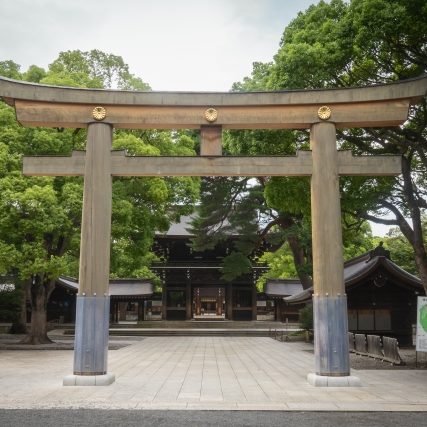
Located near bustling Shibuya, this grand shrine is dedicated to Emperor Meiji and Empress Shoken. Surrounded by a vast forest, it’s an oasis of calm in the heart of the city.
Tsurugaoka Hachimangu (Kamakura)
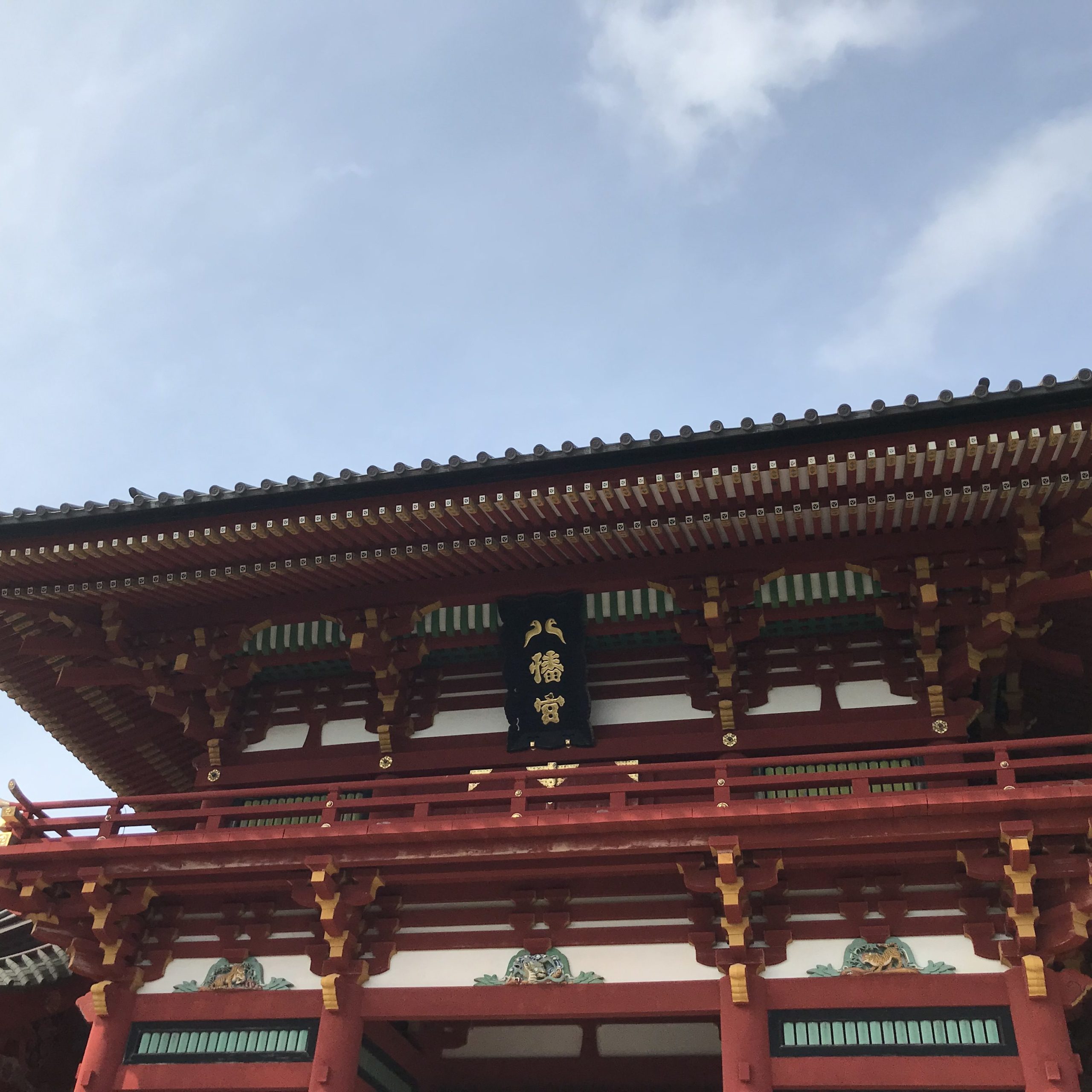
The spiritual heart of Kamakura, this shrine is dedicated to Hachiman, the god of war and protection. Its long approach and red buildings make it one of the most iconic shrines in eastern Japan.
Enoshima Shrine(Kamakura)
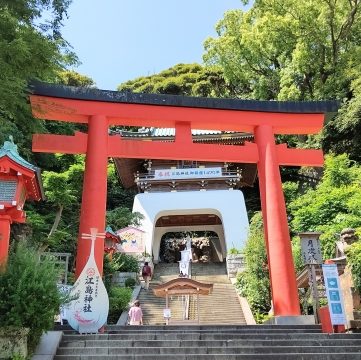
Enoshima shrine is also called Benzaiten, which means the woman god who has a beautiful face.
It is known for its beauty and love-related prayers. It’s particularly famous for the “beauty prayer,” where women seek beauty and romantic blessings.

Enoshima Shrine is also famous as a deity of matchmaking, and it is said that if you place an ema (wooden plaque) with a wish for marriage on the tree of matchmaking, your wish for marriage will come true.
Enoshima Island
Enoshima is a small island located in the Kanagawa Prefecture of Japan, specifically in the city of Fujisawa which is next to Kamakura city. It’s situate…
 YOKOHAMA FUZEI
 Nikkō Tōshōgū (Tochigi Prefecture)
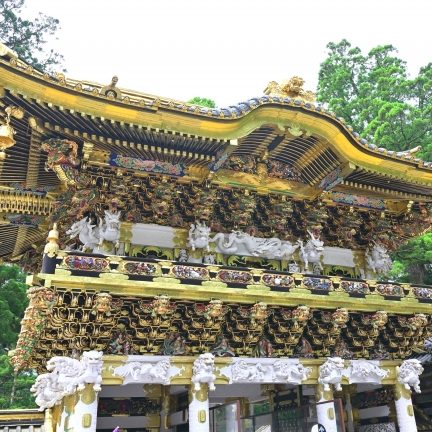
A UNESCO World Heritage site, this lavishly decorated shrine complex enshrines Tokugawa Ieyasu, the founder of the Tokugawa shogunate. The intricate carvings and ornate details are breathtaking.
Hakone Shrine (Kanagawa Prefecture)
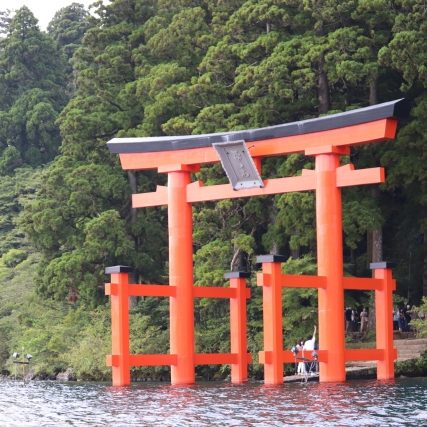
Nestled by Lake Ashi, this shrine is famous for its iconic red torii gate that stands in the water. Surrounded by misty mountains, it offers both natural beauty and spiritual charm.
Final Thoughts
Visiting a Japanese shrine is more than sightseeing—it’s a chance to step into centuries of tradition, experience spiritual calm, and take home a piece of living history. By observing local etiquette and embracing the atmosphere, you’ll discover why shrines remain at the heart of Japanese culture.

